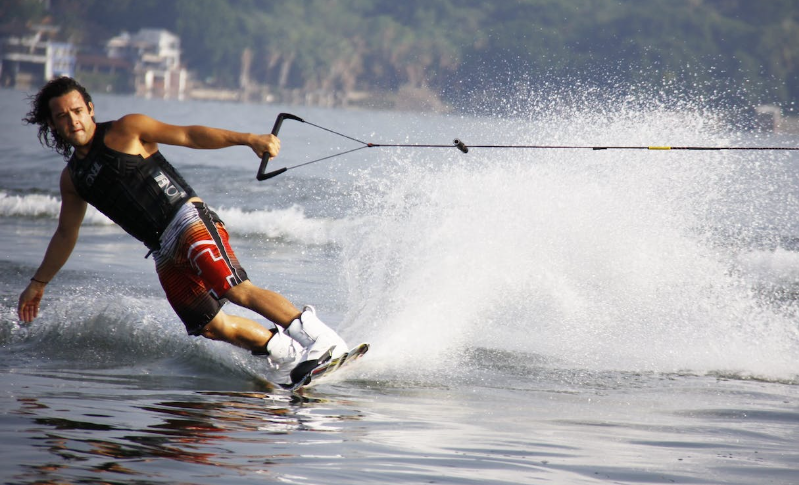
Water skiing is an exhilarating sport that combines speed, balance, and strength. It involves being pulled behind a boat while standing on water skis, navigating the choppy waves and twists and turns. While it may seem like a leisurely activity, water skiing requires a great deal of strength and endurance. In this article, we will explore the physical demands of water skiing and the training required to excel in this sport.
One of the most obvious requirements for water skiing is balance. Standing on two narrow planks while being pulled at high speeds can be challenging, especially for beginners. Maintaining balance requires a combination of core strength, leg strength, and coordination. The core muscles, which include the abs, back, and hips, are particularly important for maintaining balance and stability. A strong core will allow you to stay upright and maintain control even when the water is rough.
In addition to balance, water skiing requires a great deal of leg strength. The legs are responsible for absorbing the shock of the water and keeping the skier upright. Strong quads, hamstrings, and calves are essential for maintaining the proper position and absorbing the impact of the waves. A lack of leg strength can lead to fatigue and muscle strain, which can increase the risk of injury.
Endurance is also a crucial factor in water skiing. This sport requires a sustained effort over a period of time, which can be exhausting for the body. Skiers must maintain a steady pace and endure the physical strain of being pulled by a boat. This requires cardiovascular fitness, as well as muscular endurance. A strong heart and lungs will allow you to maintain a steady pace and stay energized throughout the ride.
So, how do you train for water skiing? The key is to focus on building strength, balance, and endurance. Here are some exercises that can help:
Squats: Squats are a great way to build leg strength. Start with bodyweight squats and gradually add weight as you get stronger.
Planks: Planks are a fantastic way to build core strength. Start with short holds and gradually increase the time as you get stronger.
Lunges: Lunges are another excellent exercise for building leg strength. Start with bodyweight lunges and gradually add weight as you get stronger.
Cardiovascular exercise: Running, biking, or swimming are all great ways to build endurance. Try to incorporate cardio into your training routine at least three times a week.
Water skiing: Of course, the best way to train for water skiing is to actually do it! If you don’t have access to a boat or a body of water, consider using a ski simulator or a balance board to simulate the experience.
In addition to physical training, it’s also important to practice good form and technique. Proper form will allow you to conserve energy and maintain control on the water. Here are some tips for good form:
Keep your arms straight: Your arms should be straight and relaxed, with your elbows slightly bent. Avoid bending your arms too much, as this can cause you to lose control.
Keep your knees bent: Your knees should be bent and your weight should be on the balls of your feet. This will allow you to absorb the shock of the waves and maintain balance.
Keep your back straight: Your back should be straight and your shoulders should be relaxed. Avoid leaning too far forward or backward, as this can throw off your balance.
Look ahead: Keep your eyes focused on the horizon, not on the boat or the skis. This will help you maintain balance and stay on course.
In water skiing is a thrilling sport that requires a great deal of strength and endurance. Building core strength, leg strength, and cardiovascular fitness are essential for success in this sport.