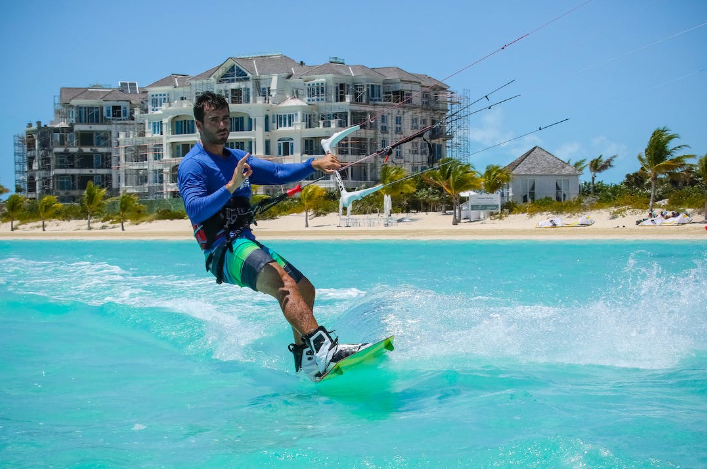
Introduction: Water skiing is an exhilarating sport that brings joy and excitement to participants. However, safety should always be a top priority when engaging in any water-based activity. In this article, we will explore the specific safety measures implemented at a typical water skiing camp to ensure the well-being and security of all participants during their water skiing activities.
- Professional Staff and Certified Instructors: At a reputable water skiing camp, safety starts with the people in charge. The camp employs a professional staff and certified instructors who are trained in water safety and emergency protocols. They possess the necessary knowledge and experience to guide participants and respond effectively in case of any unforeseen circumstances.
- Comprehensive Safety Briefings: Before participants hit the water, the camp conducts thorough safety briefings. These briefings cover essential topics such as:a. Personal Protective Equipment (PPE): Participants are provided with proper safety equipment, including life jackets and helmets. They are educated on the correct usage and fit of PPE to ensure maximum protection.b. Water Entry and Exit Techniques: Participants learn safe and proper methods for entering and exiting the water, minimizing the risk of slips, falls, or collisions.c. Communication Signals: Clear and standardized communication signals are taught to participants, enabling effective communication between the skier and the boat driver during water skiing activities.d. Boat Safety Procedures: Participants are educated about boat safety, including guidelines for boarding and disembarking, maintaining a safe distance from the boat’s propeller, and understanding the navigational rules on the water.
- Weather Monitoring: Weather conditions can significantly impact water skiing safety. The camp closely monitors weather forecasts and keeps participants informed about any potential changes. In the event of adverse weather conditions such as storms or high winds, activities may be modified, postponed, or canceled to ensure the safety of all participants.
- Supervised Water Skiing Sessions: During water skiing sessions, participants are under the constant supervision of qualified instructors and staff. They closely monitor the activities, ensuring that participants adhere to safety guidelines and proper techniques. Instructors provide real-time feedback, correcting and guiding participants to minimize the risk of accidents or injuries.
- Proper Water Skiing Zones: The camp designates specific areas on the water for water skiing activities. These zones are carefully chosen to ensure optimal safety, taking into consideration factors such as water depth, absence of obstacles, and minimal boat traffic. By confining water skiing to designated zones, the camp minimizes the potential for collisions with other boats or hazards.
- Emergency Preparedness: Water skiing camps maintain robust emergency preparedness protocols. Instructors and staff are trained in first aid and CPR, enabling them to respond swiftly and effectively in case of accidents or medical emergencies. The camp is equipped with appropriate first aid kits and emergency communication devices to facilitate prompt assistance if needed.
- Safety Boat and Spotter: During water skiing activities, a safety boat and a designated spotter are present to ensure an additional layer of security. The safety boat follows closely behind the skier, ready to assist in case of an emergency or if the skier requires immediate assistance. The spotter’s role is to maintain constant visual contact with the skier, signaling the boat driver if assistance is needed or if the skier falls.
- Regular Equipment Inspections: To maintain a safe water skiing environment, all equipment used at the camp undergoes regular inspections. This includes checking the condition of skis, bindings, ropes, and other gear to ensure they are in proper working order. Any damaged or worn-out equipment is promptly replaced to prevent accidents due to equipment failure.
Safety is of utmost importance at a water skiing camp, and specific measures are in place to ensure the well-being of participants during water skiing activities. From comprehensive safety briefings and supervised sessions to proper equipment inspections and emergency preparedness, the camp’s priority is to provide a secure and enjoyable water skiing experience. By prioritizing safety, participants can fully immerse themselves in the exhilarating world of water skiing, knowing that their well-being is safeguarded at every step.
Content generated by ChatGPT