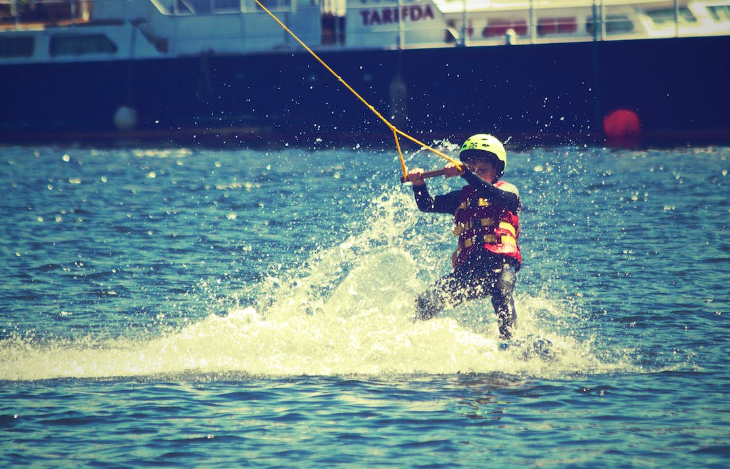
Water skiing is a popular recreational activity enjoyed by many individuals worldwide. It involves gliding on water while being towed behind a boat or cable system, using skis or other water-sport equipment. Aside from its exciting and exhilarating nature, water skiing has been linked to several health benefits, including an extended lifespan. In this article, we will explore the relationship between water skiing and longevity.
Water skiing is a physical activity that requires endurance, strength, balance, and coordination. It involves multiple muscle groups, including the legs, core, arms, and shoulders. Engaging in regular water skiing can enhance overall fitness levels and contribute to better cardiovascular health. According to the American Heart Association, adults should engage in at least 150 minutes of moderate-intensity aerobic exercise or 75 minutes of vigorous-intensity aerobic exercise per week for optimal heart health. Water skiing can provide a fun and exciting way to meet these exercise requirements.
One of the primary benefits of water skiing is its impact on mental health. Participating in physical activities such as water skiing can alleviate stress, anxiety, and depression. A study published in the Journal of Psychiatric Research found that people who participated in leisure activities, including water skiing, had a lower risk of developing mental health issues. Engaging in water skiing can provide an escape from everyday stressors and promote a more positive outlook on life.
Moreover, water skiing can improve balance and coordination, which can contribute to injury prevention and a better quality of life. Older adults who engage in physical activities that enhance balance and coordination have been shown to have a lower risk of falls and related injuries. According to a study published in the Journal of Aging and Physical Activity, older adults who participated in water skiing and other aquatic activities had better balance and mobility than those who did not engage in these activities.
Another way water skiing can extend lifespan is through its impact on bone health. Engaging in physical activities such as water skiing can promote bone density and reduce the risk of osteoporosis, a condition characterized by weak and brittle bones. According to the National Osteoporosis Foundation, weight-bearing and resistance exercises are essential for maintaining bone health. Water skiing can provide a low-impact yet effective way to promote bone strength and reduce the risk of fractures.
Lastly, water skiing can promote social connections and overall well-being, which can contribute to a longer lifespan. Participating in water skiing can provide opportunities to meet new people, make friends, and create meaningful relationships. A study published in the Journal of Health and Social Behavior found that social support can promote longevity and reduce the risk of premature death. Water skiing can provide an enjoyable and exciting way to connect with others and contribute to a more fulfilling life.
Water skiing can provide numerous health benefits, including an extended lifespan. Engaging in regular physical activity such as water skiing can enhance cardiovascular health, promote mental well-being, improve balance and coordination, enhance bone density, and promote social connections. These benefits can contribute to a longer and healthier life. However, as with any physical activity, it is essential to take precautions and ensure safety. Water skiing should be performed in a controlled and supervised environment, with appropriate equipment and precautions in place. It is always advisable to consult a healthcare professional before engaging in any physical activity, particularly if you have pre-existing medical conditions or concerns. By following safety guidelines and engaging in regular water skiing, you can enjoy the benefits of this exhilarating and fun-filled activity while promoting a longer and healthier life.