The origins of water skiing can be traced back to the early 20th century, when it was first developed as a way of exploring the potential uses of motorboats. The sport quickly gained popularity, and has since become a staple of summer recreation for people all around the world. Today, water skiing is practiced both as a competitive sport and as a recreational activity, and is enjoyed by people of all ages and skill levels.
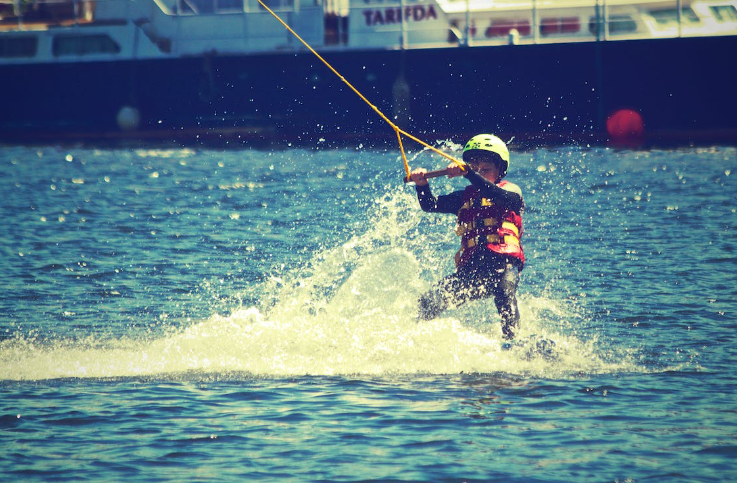
There are several different types of water skiing, each of which requires a slightly different technique and approach. Some of the most common types of water skiing include slalom skiing, trick skiing, and barefoot skiing. Slalom skiing involves weaving in and out of a series of buoys that are set up in a straight line, while trick skiing involves performing a variety of acrobatic maneuvers and tricks while being towed behind the boat. Barefoot skiing, as the name suggests, involves skiing without the use of skis, and requires a high level of skill and experience.
Regardless of the type of water skiing being performed, there are several key pieces of equipment that are required. The most important of these is the ski itself, which is typically made from a combination of materials such as fiberglass, foam, and plastic. The ski is designed to be buoyant and aerodynamic, allowing the skier to glide smoothly across the surface of the water.
In addition to the ski, water skiers also wear a number of other pieces of protective gear, including a wetsuit or drysuit, a lifejacket, and a helmet. These items are designed to protect the skier from the cold water and potential impacts that can occur while skiing.
To get started with water skiing, it is important to have a basic understanding of the techniques and skills involved. One of the most important skills is maintaining balance while being towed behind the boat. This requires a combination of core strength, flexibility, and an ability to adjust to changes in speed and direction. Skiers must also learn how to properly position their body and shift their weight in order to turn and maneuver the ski.
Another important aspect of water skiing is learning how to safely navigate the water and avoid collisions with other boats or obstacles. This requires a good understanding of boating safety rules and regulations, as well as a keen awareness of the surrounding environment.
Overall, water skiing is an exciting and challenging sport that requires a combination of physical and mental skills. Whether you are a seasoned professional or a first-time beginner, there are a wide range of opportunities available to explore this exciting and dynamic activity. So grab your skis, hop on board, and get ready to experience the thrill of water skiing!