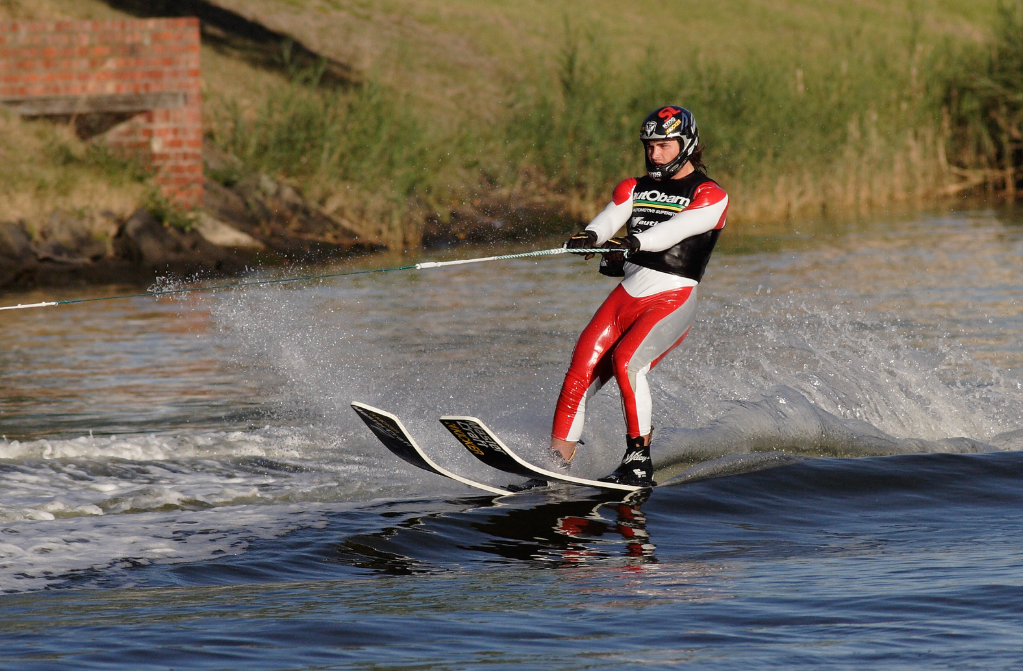
Water skiing remains one of the most exhilarating and visually spectacular sports on the water. In 2026, it’s evolved with new technology, training methods, inclusive events, and an expanding global community that keeps the sport fresh and exciting. Whether you’re a seasoned skier, an aspiring beginner, or someone simply curious about what makes water skiing special, this guide covers all you need to know — from fundamentals and gear, to the latest trends shaping the sport in 2026.
What Is Water Skiing?
Water skiing is a surface water sport in which an individual is pulled behind a boat or a cable system while standing on skis. The goal is to glide across the water’s surface using balance, strength, and technique. It combines speed, skill, and style, making it a beloved activity for both recreational fun and competitive sport.
Traditionally, water skiing features three main disciplines:
- Slalom skiing: One skier navigates through a zigzag course of buoys.
- Trick skiing: Skiers perform spins, flips, and choreographed maneuvers.
- Jump skiing: Skiers launch off a ramp aiming for distance and airtime.
Each discipline tests unique athletic skills — from precision and balance to power and daring.
Why Water Skiing Is Still Thriving in 2026
1. Advanced Equipment and Safety
Over the past decade, water ski equipment has seen remarkable innovation. Modern skis are lighter, stronger, and more responsive, crafted from advanced composites that boost performance and control. Tow ropes are now engineered to reduce snap-back and improve safety. Personal flotation devices (PFDs) and helmets have also improved, becoming more comfortable and protective without weighing athletes down.
GPS and sensor technology have even made it into ski gear. Athletes can now track speed, turn angles, and jump metrics — giving real-time data for improvement.
2. Expanding Global Community
Water skiing has expanded far beyond its early strongholds in North America and Europe. In 2026 the sport is gaining traction in Asia, South America, and Africa, with new clubs, tournaments, and training programs launching each year. This global growth has diversified the sport, encouraging cross-cultural exchanges and bringing fresh energy to competition and recreational skiing.
International federations now support athlete development and exchange programs that help young skiers train abroad and learn from elite instructors from different countries.
3. Inclusive and Adaptive Opportunities
Accessibility in water skiing is stronger than ever. Adaptive water skiing programs make it possible for people with physical disabilities to participate and excel. Customized equipment and specialized coaching help athletes of all abilities enjoy the thrill of gliding over water. These programs often emphasize community and empowerment, not just performance.
Getting Started: Learn the Basics
If you’re interested in trying water skiing in 2026, here are the key steps to begin:
1. Choose the Right Environment
Start in calm waters — lakes or protected bays are ideal for beginners because they offer a smooth surface that’s easier to navigate. Avoid choppy or crowded areas when you’re just starting.
2. Get Appropriate Gear
Essential water skiing gear includes:
- Water skis: Beginners often start with wider “trainer” skis that offer more stability.
- Life jacket or PFD: Always wear a certified PFD.
- Tow rope and handle: The right length and tension matter for smooth starts.
- Boat or cable system: Many ski schools use cable parks, which pull skiers without a boat.
Certified instructors or experienced skiers can help you choose the right equipment based on your size, weight, and goals.
Improve Your Skills: Tips for Progression
1. Master the Water Start
The water start is the foundation of water skiing. Focus on:
- Keeping your knees bent
- Feet together
- Arms straight, with the handle close to your hips
- Letting the boat pull you up, rather than trying to stand too quickly
Relaxing your body and finding balance are crucial.
2. Building Confidence and Balance
Once you’re up, keep your weight centered on the skis and look forward (not at your feet). Use your core muscles to stay stable, and let the boat maintain speed while you adjust your posture.
3. Progress to Turns and Techniques
As you improve, you’ll learn how to:
- Carve smooth turns
- Navigate buoys
- Transition between skiing positions
- Try basic tricks like surface 180s or crossing your skis
Coaching, video review, and practice sessions help accelerate progress.
Competitions and Events in 2026
The competitive water skiing scene is thriving with national and international events. Athletes compete in categories ranging from amateur to elite, including youth divisions and masters classes. Some major competitions feature both traditional boat-driven events and cable park events, reflecting the sport’s evolving landscape.
Notable events include:
- World Water Ski Championships
- Regional and national open tournaments
- Cable park competitions
- Adaptive skiing showcases
These events often combine sport with community — bringing together families, coaches, and fans for festivals, clinics, and social activities.
Trends Shaping Water Skiing in 2026
1. Cable Park Popularity
Cable parks are no longer niche. These electrically powered systems pull multiple skiers simultaneously along an overhead cable. They are more accessible, often cheaper than boat rentals, and allow for consistent practice conditions.
Cable parks now include features like ramps and rails, merging water skiing and wakeboarding styles for creative runs.
2. Tech-Driven Training
Water skiing is embracing technology:
- Wearable sensors track athlete performance metrics.
- Video analysis apps help refine technique.
- Digital coaching platforms connect skiers with trainers worldwide.
This tech integration is lowering the learning curve and enhancing competition preparation.
3. Environmental Awareness
Boat wakes and water sports can impact local ecosystems. In 2026, the water skiing community is more conscious of environmental stewardship. Practices like:
- Eco-friendly fuel alternatives
- Wake reduction techniques
- Waterway conservation partnerships
…are becoming part of the sport’s culture.
Health & Fitness Benefits
Water skiing isn’t just fun — it’s excellent for your body and mind:
Physical Benefits
- Full-body workout: Legs, core, back, and arms all engage
- Cardiovascular fitness: Sustained activity raises heart rate
- Balance and coordination: Skiing sharpens proprioception
Mental Benefits
- Focus and discipline
- Stress relief
- Confidence through skill progression
Many athletes describe a meditative quality in gliding over water, combining focus with flow.
Safety First: Tips for Every Skier
In 2026 safety is a priority. Follow these guidelines:
1. Always wear a PFD
A proper life jacket can save lives even for strong swimmers.
2. Use a spotter
Someone on the boat or at the cable park should watch the skier at all times.
3. Know hand signals
Communication is key — signals indicate speed changes, stops, or issues.
4. Warm up and stretch
Preparing your muscles prevents injuries.
5. Respect conditions
Wind, waves, or busy waterways can increase risk.
The Future of Water Skiing
Looking ahead, water skiing continues to grow as both a competitive sport and recreational passion. Advances in sustainability, inclusion, and technology promise greater access and richer experiences for athletes of all levels.
By 2026, the sport remains not just about thrills, but about community, personal growth, and connection with nature — a combination that keeps skiers coming back to the water year after year.
Content generated by ChatGPT