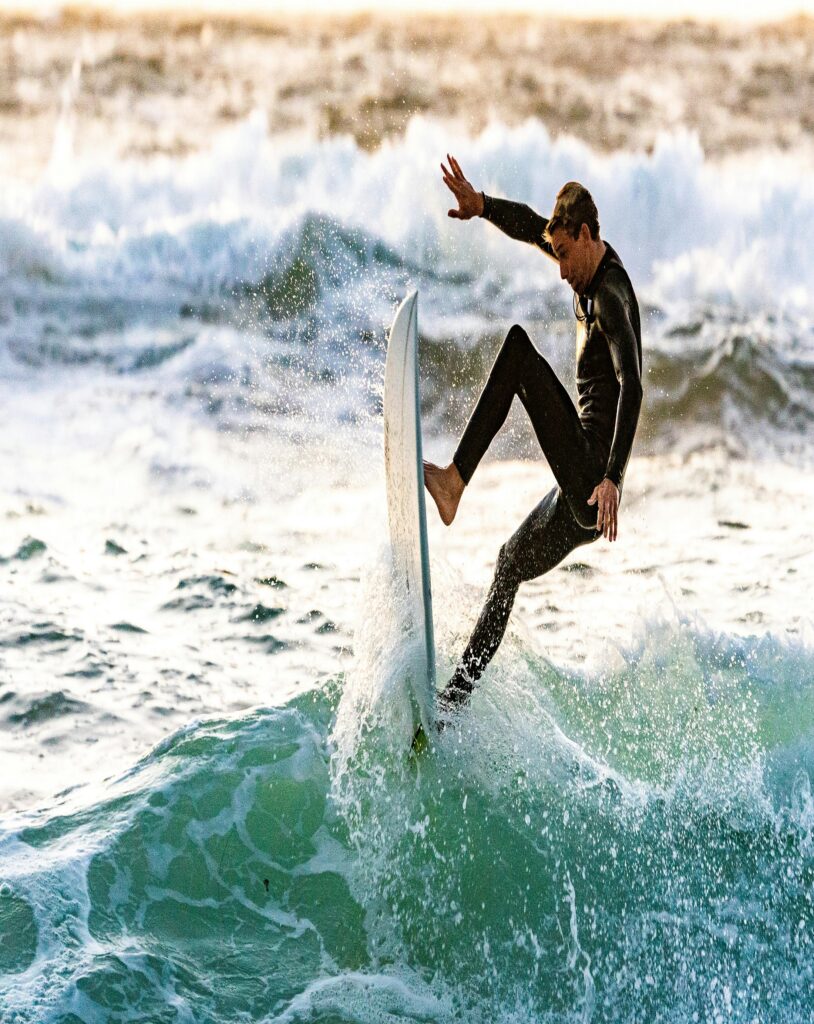
Water skiing has evolved into a multi-faceted sport that tests speed, control, and aerial ability across various disciplines. Among these, trick water skiing stands out for its artistic flair and technical difficulty. Combining balance, agility, and imagination, trick skiing allows athletes to showcase their unique style and skill by performing spins, flips, and complex maneuvers in a limited time. Whether you’re an aspiring trick skier or just discovering the sport, this article will explore the origins, techniques, equipment, and excitement that define trick water skiing.
What is Trick Water Skiing?
Trick water skiing, often considered the most artistic and acrobatic discipline within water skiing, is all about performing a series of tricks within a short time window. Skiers use specially designed trick skis — shorter and wider than regular skis — to spin, flip, and glide across the water, earning points for each successfully executed maneuver.
Unlike slalom skiing, where precision around buoys is the goal, or jump skiing, where distance matters, trick skiing is all about creativity, skill variety, and technical execution.
A Brief History of Trick Skiing
Trick skiing emerged as a competitive water skiing discipline in the mid-20th century, gaining popularity alongside slalom and jump skiing. As water skiing tournaments grew, organizers sought new ways to test athletes’ creativity and versatility on the water. Inspired by gymnastics and freestyle snow skiing, trick skiing quickly developed into a crowd-pleasing event.
Trick skiing evolved as athletes introduced increasingly daring spins, surface tricks, and flips, pushing the boundaries of what was possible on the water. Today, trick skiing is a regular event at national and international water skiing championships, with elite athletes performing breathtaking routines for fans around the world.
The Unique Equipment of Trick Skiing
Trick skiing requires specialized equipment designed to maximize maneuverability and minimize drag, allowing athletes to perform quick spins, surface turns, and aerial tricks.
1. Trick Skis
Trick skis are shorter and wider than slalom or jump skis. This design offers greater control for surface spins, slides, and edge changes. Their smooth, flat bottoms allow skiers to pivot effortlessly on the water’s surface, crucial for executing spins and other rotational tricks.
2. Bindings
Trick ski bindings secure the skier’s feet firmly to the skis, providing the control necessary to perform complex tricks. High-level skiers often customize their bindings to maximize comfort and responsiveness.
3. Tow Rope and Handle
A shorter, stiffer rope is typically used for trick skiing. The handle is slightly wider, giving skiers better grip and control, especially for tricks that involve handle passes behind the back.
4. Competition Vest
Skiers wear competition-grade life vests that provide buoyancy without restricting movement. Flexibility is crucial, as trick skiing requires a full range of motion in the arms and torso.
Types of Tricks Performed
Trick skiing features two main categories of tricks: surface tricks and aerial tricks.
1. Surface Tricks
These are performed while the skier remains in contact with the water. Common examples include:
- 180-degree surface turns (forward to backward stance and vice versa)
- 360-degree spins (performed smoothly on the water’s surface)
- Side slides (turning the ski perpendicular to the boat’s direction and sliding sideways)
2. Aerial Tricks
These involve the skier leaving the water, often by using the wake for lift. Aerial tricks include:
- Wake jumps (catching air off the boat’s wake)
- Flips (backflips and front flips)
- Handle passes (passing the handle behind the back or through the legs during rotations)
In competitive trick skiing, each trick has an assigned point value based on its difficulty. Athletes string tricks together into seamless sequences, maximizing their score within a set time limit, typically 20 seconds per pass, with two passes allowed.
Key Skills and Techniques for Trick Skiing Success
1. Balance and Body Position
Balance is everything in trick skiing. Skiers must maintain an athletic stance, with knees slightly bent, weight evenly distributed, and their core engaged. Body position changes dynamically from trick to trick, requiring excellent proprioception (body awareness).
2. Handle Control
The handle is a trick skier’s lifeline. Mastering handle control — especially during handle passes and while spinning — is critical. Letting the handle slip even slightly can disrupt the trick and cost valuable points.
3. Edge Transitions
Smooth transitions between edges (switching from riding flat to digging the edges into the water) enable quicker spins and cleaner tricks. Skilled trick skiers make these transitions seamlessly, allowing one trick to flow naturally into the next.
4. Timing and Flow
The 20-second time limit per pass forces skiers to string tricks together with fluidity and precision. Repetition and practice help athletes instinctively know how much time each trick takes and when to transition to the next.
Training and Conditioning for Trick Skiing
Trick skiing demands a blend of strength, flexibility, balance, and endurance. Effective off-water training programs might include:
- Core Strengthening: Exercises like planks, Russian twists, and medicine ball throws help develop the rotational power needed for spins.
- Balance Drills: Balance boards, BOSU balls, and slacklines improve stability and coordination.
- Plyometric Training: Explosive exercises, such as box jumps and tuck jumps, mimic the dynamic movements required for aerial tricks.
- Flexibility Work: Stretching and mobility exercises enhance range of motion, crucial for fluid handle passes and body rotations.
- Video Analysis: Reviewing practice runs helps skiers refine timing, posture, and trick sequences.
The Thrill of Competitive Trick Skiing
Trick skiing competitions combine athleticism, creativity, and performance art. Judges assess skiers based on:
- Difficulty: More complex tricks earn higher points.
- Execution: Clean, controlled tricks score better than sloppy ones.
- Variety: Diverse trick sequences demonstrate versatility and creativity.
- Flow: Smooth, seamless transitions between tricks enhance overall performance.
Major events like the International Waterski & Wakeboard Federation (IWWF) World Championships showcase the sport’s best talent, pushing the boundaries of what’s possible on the water.
Why Trick Water Skiing Captivates Athletes and Fans
Trick skiing’s appeal lies in its blend of creativity, athleticism, and artistry. Each skier brings a unique style to the water, whether favoring rapid spins, big aerials, or innovative combinations that surprise judges and spectators alike.
For participants, the thrill comes from the constant pursuit of new tricks and the satisfaction of finally nailing a complex maneuver. For fans, watching skilled skiers combine speed, grace, and gravity-defying tricks creates an electrifying spectacle.
Trick water skiing is a sport where creativity meets athleticism on the water’s shimmering stage. It’s a celebration of balance, timing, power, and style — a sport where athletes turn a lake into a playground for innovation and expression.
Whether you’re an experienced skier looking to expand your repertoire, a newcomer intrigued by the sport’s creativity, or a fan drawn to its excitement, trick skiing offers something for everyone. With dedication, practice, and a touch of daring, anyone can experience the thrill of dancing on water.
The written content on this page was generated by perplexity.ai