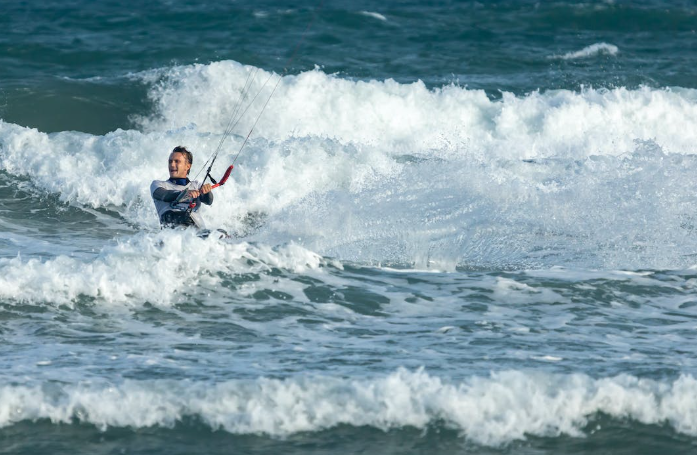
Introduction: Water skiing is an exciting and dynamic sport that requires a combination of skill, technique, and balance. Whether you are a beginner looking to learn the fundamentals or an advanced skier aiming to refine your maneuvers, a water skiing camp can provide a structured learning environment. In this article, we will explore the types of water skiing techniques and maneuvers commonly taught at camps, and discuss their suitability for participants of different skill levels.
Beginner Level Techniques: For participants who are new to water skiing, the camp focuses on teaching fundamental techniques to ensure a solid foundation. Some of the key techniques covered include:
- Stance and Balance: Participants learn the proper body positioning required for stability and control. This involves maintaining a balanced posture with knees slightly bent, weight distributed evenly between both skis, and arms extended in front for balance.
- Starting Techniques: The camp instructs beginners on the various methods of starting in water skiing. This may include deep water starts, where participants learn to rise from a floating position while the boat accelerates. Alternatively, beginners may practice using a dock start, where they begin from a stationary position on the dock.
- Turning and Directional Control: Participants learn the basics of turning by shifting their weight and applying pressure on the appropriate ski edge. This enables them to navigate corners smoothly and maintain control while changing direction.
Intermediate Level Techniques: Once participants have mastered the fundamental techniques, they progress to more advanced maneuvers that require greater precision and control. Intermediate-level techniques include:
- Slalom Skiing: Camp instructors introduce participants to the art of slalom skiing, where skiers navigate through a series of buoys arranged in a slalom course. Skiers learn to carve tight turns around the buoys, maintaining speed and control throughout the course.
- Jumping: For those ready to add some air to their skiing, the camp offers instruction on jumping techniques. Skiers learn how to approach the jump ramp, maintain balance in the air, and land safely. The focus is on developing proper timing, body position, and control during the jump.
- Advanced Turning Techniques: Participants refine their turning skills by exploring advanced techniques such as carving turns. This involves angling the skis and applying pressure to the edges to create sharp, efficient turns while maintaining speed.
Advanced Level Techniques: Advanced skiers attending the camp can expect to fine-tune their skills and push their limits with more challenging maneuvers. Some of the techniques covered include:
- Trick Skiing: Trick skiing involves performing a variety of tricks and maneuvers on a shorter, wider ski. Participants learn spins, flips, slides, and other creative moves, showcasing their agility and control on the water.
- Wakeboarding: While wakeboarding is a separate sport, many water skiing camps also offer instruction in this popular activity. Advanced skiers can learn to ride a wakeboard and perform tricks on the water’s surface, utilizing the boat’s wake as a ramp.
- Freestyle Jumping: For the daring and experienced skiers, the camp may introduce freestyle jumping. This involves performing aerial maneuvers with flips, twists, and spins, often utilizing purpose-built ramps for maximum airtime and spectacle.
Suitability for Different Skill Levels: Water skiing camps cater to participants of all skill levels, from beginners to advanced skiers. The curriculum is designed to gradually progress participants through various techniques, ensuring that each skill level receives appropriate instruction and challenges.
Beginners benefit from the focus on foundational techniques, providing them with a strong understanding of the sport and building their confidence on the water. Intermediate skiers gain the opportunity to expand their skill set, honing their turning, jumping, and slalom skiing abilities. Advanced skiers can refine their techniques, explore more intricate maneuvers, and push the boundaries of their skill and creativity.
A water skiing camp offers participants the opportunity to learn and refine various water skiing techniques and maneuvers. Whether you are a beginner seeking to master the basics or an advanced skier looking to push your limits, the camp curriculum caters to all skill levels. From stance and balance to slalom skiing, jumping, and even freestyle tricks, participants can expect comprehensive instruction and the chance to develop their skills in a supportive and structured learning environment. So, grab your skis, dive into a water skiing camp, and embark on an exciting journey of growth and mastery on the water.
Content generated by ChatGPT